


Articles
The ill-effects of counterfeiting on the auto-component industry

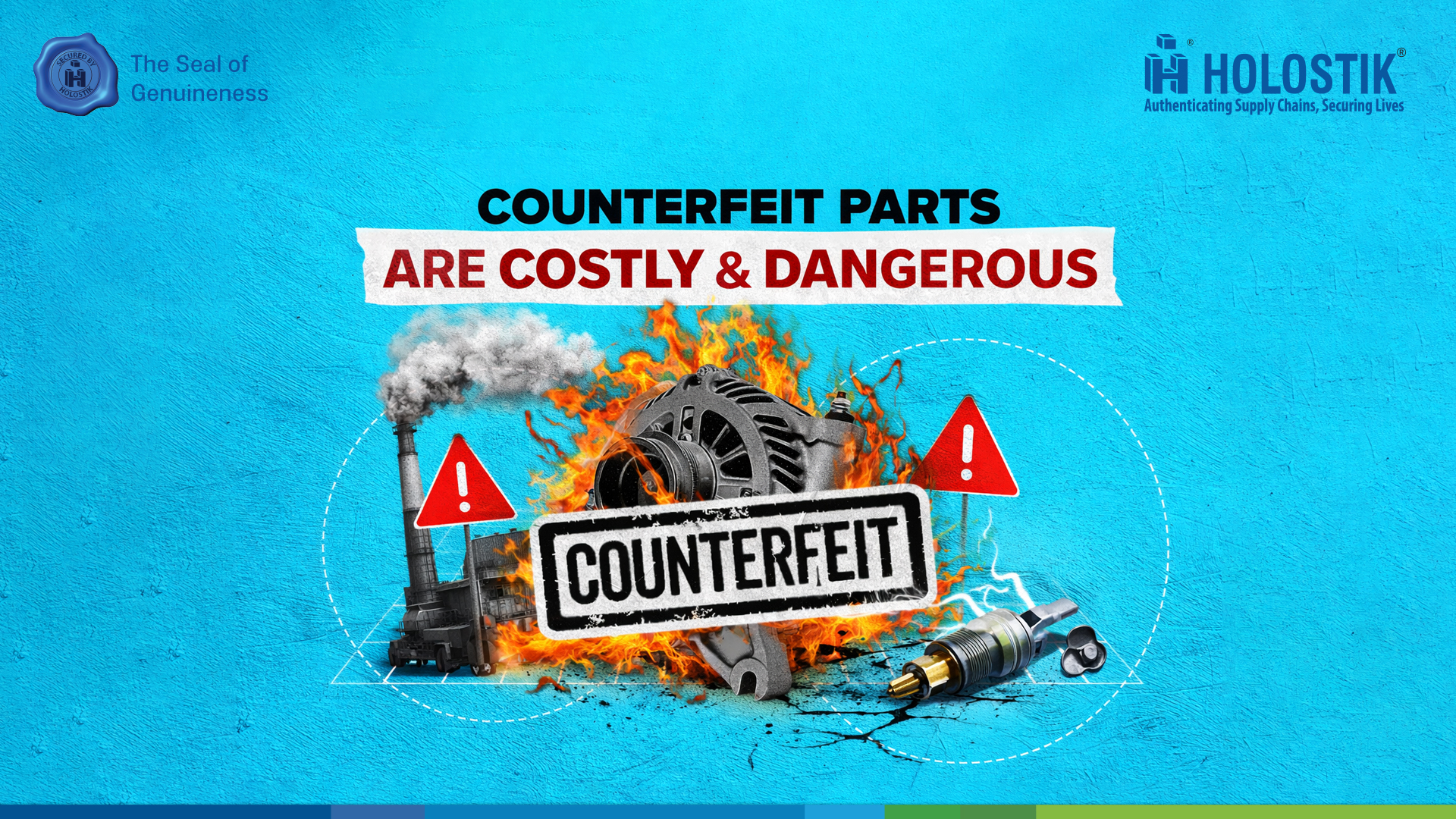
The auto component industry has witnessed a sharp rise in counterfeit automotive parts over the last few decades. What was once a marginal grey-market activity has now become a global menace—impacting consumer safety, manufacturer revenues, brand reputation, and government tax collections.
Counterfeit auto parts not only compromise vehicle performance but also pose a serious threat to human lives. In recent years, enforcement authorities across the world have seized large consignments of fake automotive components at various points in the supply chain, highlighting the scale and seriousness of the problem.
Rise of Counterfeit Auto Parts: A Global Concern
A significant portion of seized counterfeit automotive components has originated from China, although the problem is no longer limited to any one geography. Over the past few years, the global trade in fake auto parts has severely disrupted legitimate automotive manufacturers and suppliers.
According to a report on illicit trade by FICCI, the Indian auto component industry alone suffered losses worth INR 10,501 crore in 2014 due to the grey market—up from INR 9,198 crore in 2012. This alarming growth underscores how counterfeiting continues to eat into the revenues of genuine businesses.
Why Counterfeiting Is Growing in the Automotive Industry
Industry experts point to multiple factors driving the rapid growth of counterfeit auto parts:
-
Ease of manufacturing and replicating automotive components
-
Simple and low-cost packaging and cross-border imports
-
High profit margins on counterfeit automotive parts
-
Lack of consumer awareness while purchasing spare parts
-
Easy access to technologies that enable product copying
-
Lower prices of fake parts compared to genuine components
-
Short replacement cycles for frequently used auto parts
These factors together have created a fertile ground for counterfeiters, making the automotive sector one of the most affected industries globally.
Impact of Counterfeiting on the Auto Component Ecosystem
1. Impact on Automotive Manufacturers
Automotive manufacturers bear the maximum damage due to counterfeit products. The widespread sale of fake auto parts directly reduces demand for genuine components, leading to significant revenue losses.
More critically, poor-quality counterfeit parts often fail prematurely, causing vehicle breakdowns or accidents. This results in brand dilution, as consumers mistakenly associate product failure with the original manufacturer.
2. Impact on Government and the Economy
Counterfeiting also leads to massive losses for governments due to tax evasion and unreported trade. In India alone, the government lost INR 3,113 crore in 2014, compared to INR 2,726 crore in 2012, as per industry estimates.
Such losses reduce public revenue, weaken regulatory control, and indirectly support illegal networks involved in illicit trade.
3. Impact on Consumers and Road Safety
The most dangerous consequence of counterfeit automotive parts is their impact on consumer safety. Inferior-quality fake components—such as brake pads, filters, bearings, and steering parts—can fail without warning.
According to the Automotive Component Manufacturers Association, Automotive Component Manufacturers Association (ACMA), nearly 20% of road accidents are attributed to the use of counterfeit automotive parts. This statistic highlights how counterfeiting directly endangers lives, making it not just an economic issue but a serious public safety concern.
The Need for Strong Anti-Counterfeiting Measures
The growing menace of counterfeit auto parts is a threat to manufacturers, governments, and consumers alike. Addressing this issue requires a multi-pronged approach involving stricter enforcement, advanced authentication technologies, supply chain transparency, and greater consumer awareness.
As the auto component industry continues to expand, combating counterfeiting is no longer optional, it is essential for ensuring road safety, brand protection, and sustainable industry growth.