


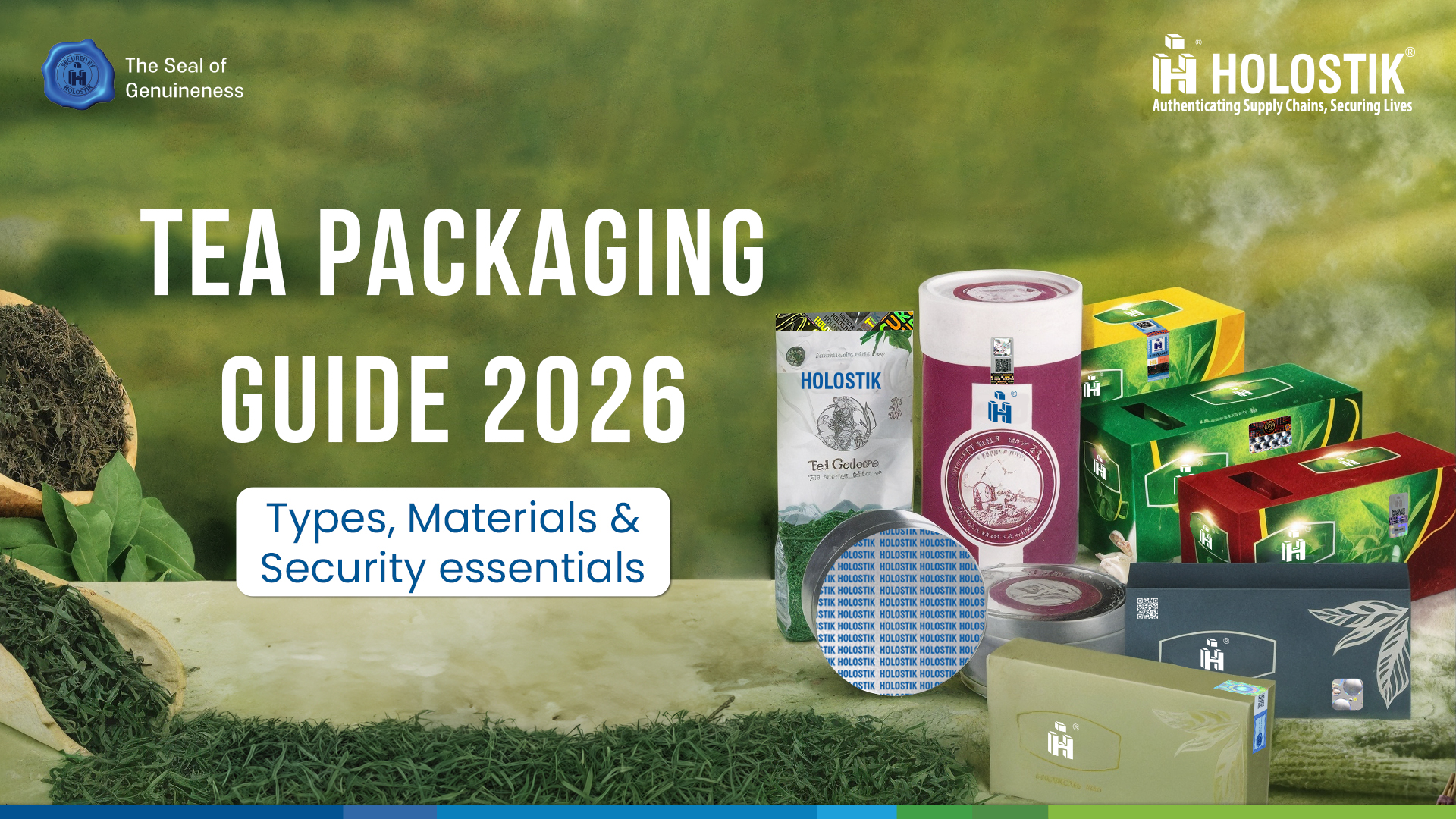
Tea packaging in 2026 goes far beyond attractive visuals. It combines freshness protection, functional design, sustainability and advanced security technologies to ensure product authenticity and brand trust. As counterfeit tea continues to grow across global markets, secure and smart packaging has become a non-negotiable requirement for modern tea brands.
This guide breaks down the main types of tea packaging, the materials used, and the security add-ons required for each format, giving tea manufacturers, exporters and private-label brands a practical reference for 2026.
Types of Tea Packaging and Their Security Enhancements
Below is a simplified and structured overview of the most widely used tea packaging formats.
Tea Packaging Pouches
Pouches remain the most dominant format due to flexibility, cost efficiency, and excellent barrier protection.
Common Formats of Tea Packaging
- Stand-up pouches (Doypacks)
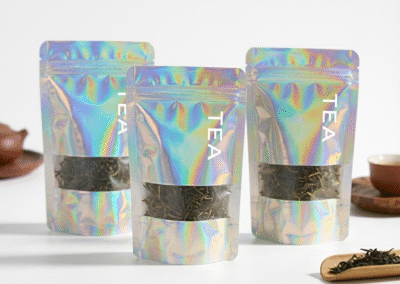
- Zipper resealable pouches

- Gusset / quad-seal pouches

- Three-sided seal pouches
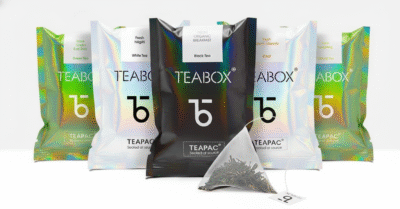
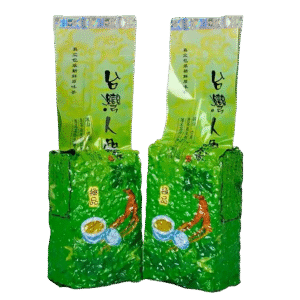
- Vacuum-sealed foil pouches
Security Add-ons for Tea Packaging
- Tamper-evident tear notch
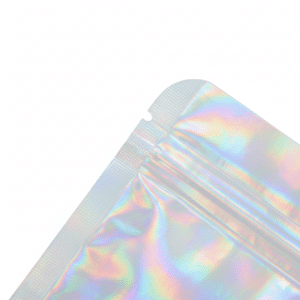
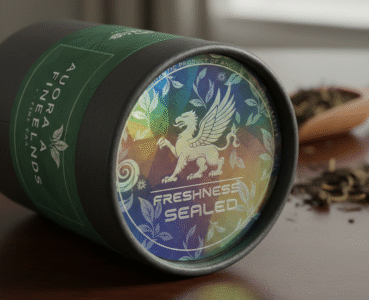
- Holographic sealing wads
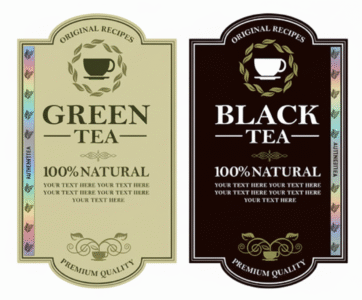
- Security labels for tea packaging
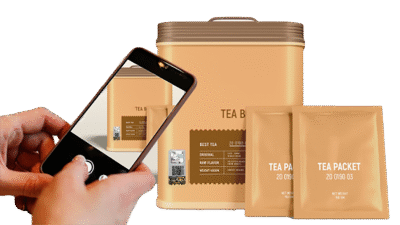
- Serialized QR authentication codes
Tea Packaging Boxes
Mono cartons or boxes are Ideal for premium, retail, and gift segments, offering structure, branding space, and a premium feel.
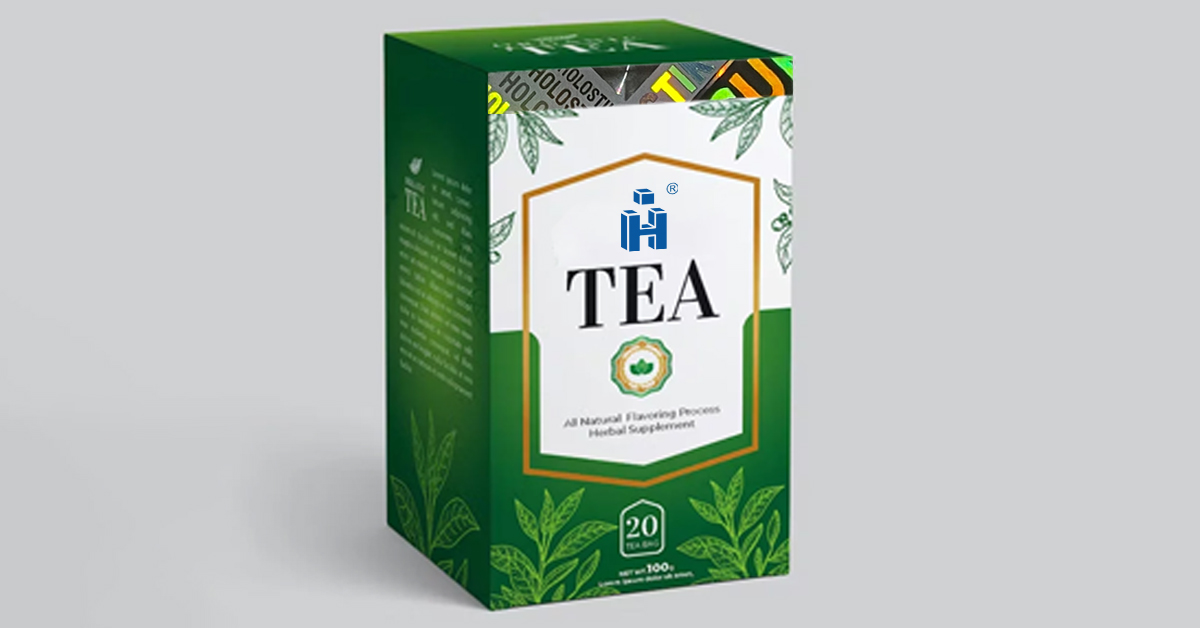
Common Materials for Tea Packaging
- Paperboard
- Kraft board
- Laminated cartons
- Metallized paper
Tea Bag Packaging

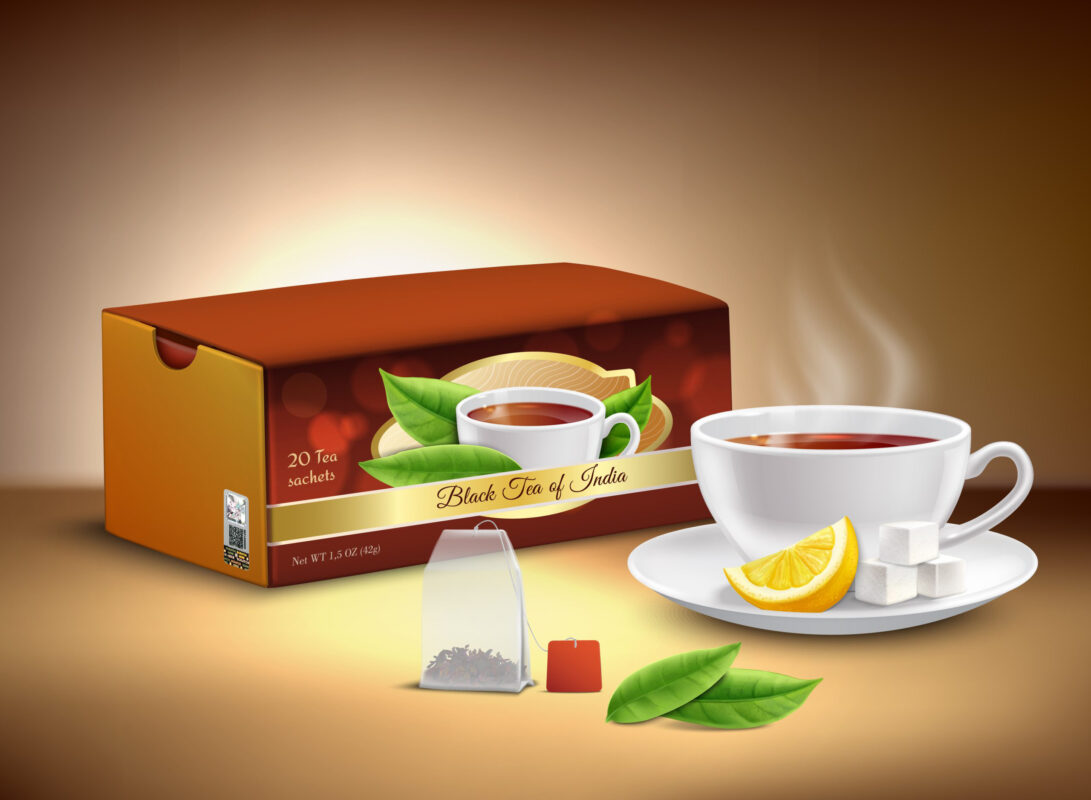
Tea bag packaging consists of multiple layers that protect both individual servings and the overall retail unit.
Primary Packaging (Direct Contact Layer)
- Biodegradable filter paper
- Non-woven PLA or cornstarch-based material
- Heat-sealable food-grade filter media
Secondary Packaging
- Sachets or envelopes
- Inner foil or polymer pouches
- Printed cartons (25/50/100 tea bags)
Loose-Leaf Tea Packaging
Used for high-value teas like Darjeeling, Oolong, artisanal blends, and export-quality leaves.
Common Formats
- Metal tins
- PET/HDPE jars
- Glass jars
- Kraft paper canisters
Tea Packaging Types & Security Requirements – Comparison
| Tea Packaging Type | Typical Materials Used | Best For | Recommended Security Add-ons |
| Pouches | PET/foil laminates | Everyday tea, value packs | Tear notch seals, holographic wads, QR labels |
| Boxes | Paperboard, kraft | Premium tea, gifting | Strip holograms, microtext, serialized labels |
| Tea Bags (Sachets + Cartons) | Filter paper, foil, paperboard | Mass-market tea bags | Tamper seals, holographic labels, QR codes |
| Loose-Leaf Packaging | Metal tins, jars, kraft cylinders | Premium & artisanal teas | Shrink sleeves, hologram stickers, NFC tags |
Packaging Materials for Tea in 2026
Tea is sensitive to moisture, light, oxygen, and aromas. The right material ensures freshness throughout storage and distribution.
Most Widely Used Materials
- Multi-layer laminates (PET / MET PET / LLDPE)
- Aluminium foil for high-aroma retention
- Recyclable kraft paper
- Compostable coated paper
- Rigid PET or metal containers
Sustainability Options (2026 Trend)
- Mono-material recyclable laminates
- Compostable envelopes for tea bags
- Water-based ink printing
- Foil-free barrier paper solutions
Essential Security Features for Tea Packaging
Counterfeiting in tea has reached double-digit growth in several markets. Security features now protect not only the brand but also consumer safety.
Key Anti-Counterfeiting Solutions for 2026
- Holographic sealing wads for jars and tins
- Tamper-evident labels for pouches and boxes
- Custom optical holograms with microtext and nano features
- Serialized QR codes for scan-based authentication
- Digital track-and-trace for supply-chain visibility
- Reward-enabled consumer engagement via Utopia Digitech (Holostik’s digital arm)
Tea packaging in 2026 is defined by freshness, sustainability, and security. While materials such as laminates, paperboard, and tins ensure product quality, security features like holograms, sealing wads, tamper-evident labels, and QR authentication ensure brand protection and consumer trust.
Holostik supports tea brands with end-to-end physical and digital security solutions, making packaging smarter, safer, and future-ready.