


Articles
Lubricant Packaging Guide: Securing Automotive Lubricants Against Counterfeiting

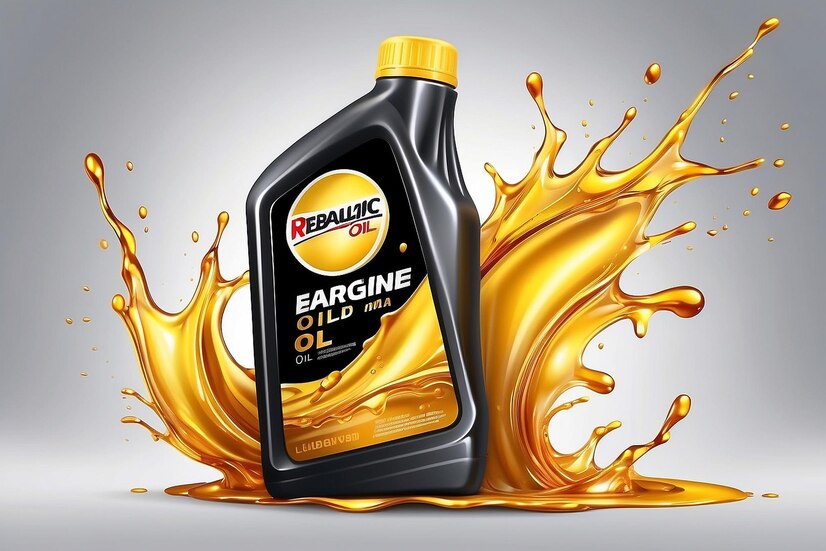
The automotive lubricant industry plays a critical role in ensuring engine performance, longevity, and safety. However, it is also among the most counterfeited segments in the automotive aftermarket. Fake lubricants not only damage engines but also erode brand trust and expose manufacturers to serious legal and reputational risks.
This makes lubricant packaging far more than a container—it becomes the first line of defense against counterfeiting.
In this comprehensive lubricant packaging guide, we explore common packaging types used in the automotive industry and highlight essential security features, both physical and digital, that protect lubricant brands across the supply chain.
Why Security Matters in Automotive Lubricant Packaging?
Counterfeit lubricants often look deceptively similar to genuine products but contain inferior or harmful formulations. These fakes can lead to:
- Engine wear and failure
- Increased emissions and fuel inefficiency
- Warranty disputes and customer dissatisfaction
- Revenue loss and brand dilution
Robust secure packaging for lubricants helps brands ensure product authenticity, tamper evidence, and traceability, right from manufacturing to the end consumer.
Common Types of Lubricant Packaging in the Automotive Industry
Each lubricant packaging format presents unique security challenges and opportunities for brand protection.
1. Pouch Packaging for Lubricants
Pouch packaging is increasingly popular for automotive lubricants due to its cost efficiency, reduced plastic usage, and convenience.
Security Risks:
- Easy replication of printed designs
- High risk of refilling with counterfeit oil
- Limited space for conventional security features
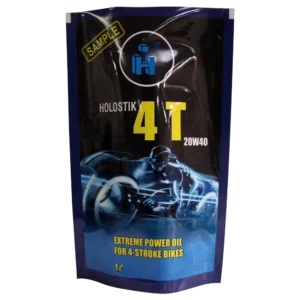 Security Solutions for Lubricant Pouches:
- Holographic security films laminated into the pouch
- Tamper-evident seals that irreversibly damage the pack when opened
- Serialized QR codes for consumer authentication
- Track and trace integration for batch-level monitoring
Secure pouch packaging ensures that any attempt to tamper or duplicate is immediately visible.
2. Plastic Bottles and Jerry Cans
Plastic bottles are the most common packaging format for engine oils and automotive lubricants.
Security Risks:
- Counterfeit caps and seals
- Bottle reuse and refilling
- Label duplication
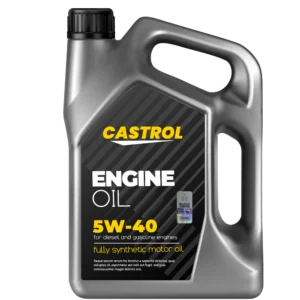
Recommended Security Features:
- Induction sealing wads for primary tamper evidence
- Tamper-evident security labels with destructible or VOID effects
- Holographic labels with multiple overt and covert features
- Secure cap-seal combinations
- Unique serial numbers linked to digital authentication platforms
When paired with consumer scan verification, these solutions significantly reduce the circulation of fake lubricants.
3. Metal Cans and Tins
Metal packaging is often used for premium or bulk automotive lubricants.
Security Risks:
- Replication of printed tins
- Reuse of original containers
- Fake overprinting
Security Enhancements:
- Holographic hot stamping foils
- Security films with microtext and nano features
- Tamper-evident lid seals and induction wads
- Serialized labels connected to inventory systems
These measures help brands differentiate genuine products from visually similar counterfeits.
4. Drums and Bulk Lubricant Packaging
Bulk lubricant packaging is vulnerable to diversion and adulteration during transit.
Security Challenges:
- Product substitution
- Unauthorized refilling
- Lack of real-time visibility
Advanced Security Measures:
- Heavy-duty tamper-evident seals and wads
- High-durability tamper-evident labels
- Track and trace solutions for logistics monitoring
- Inventory management systems integrated with production data
- Geo-tracking and batch authentication
This approach ensures end-to-end visibility across the lubricant supply chain.
Physical Security Features for Lubricant Packaging
Physical security elements help stakeholders visually verify authenticity without tools.
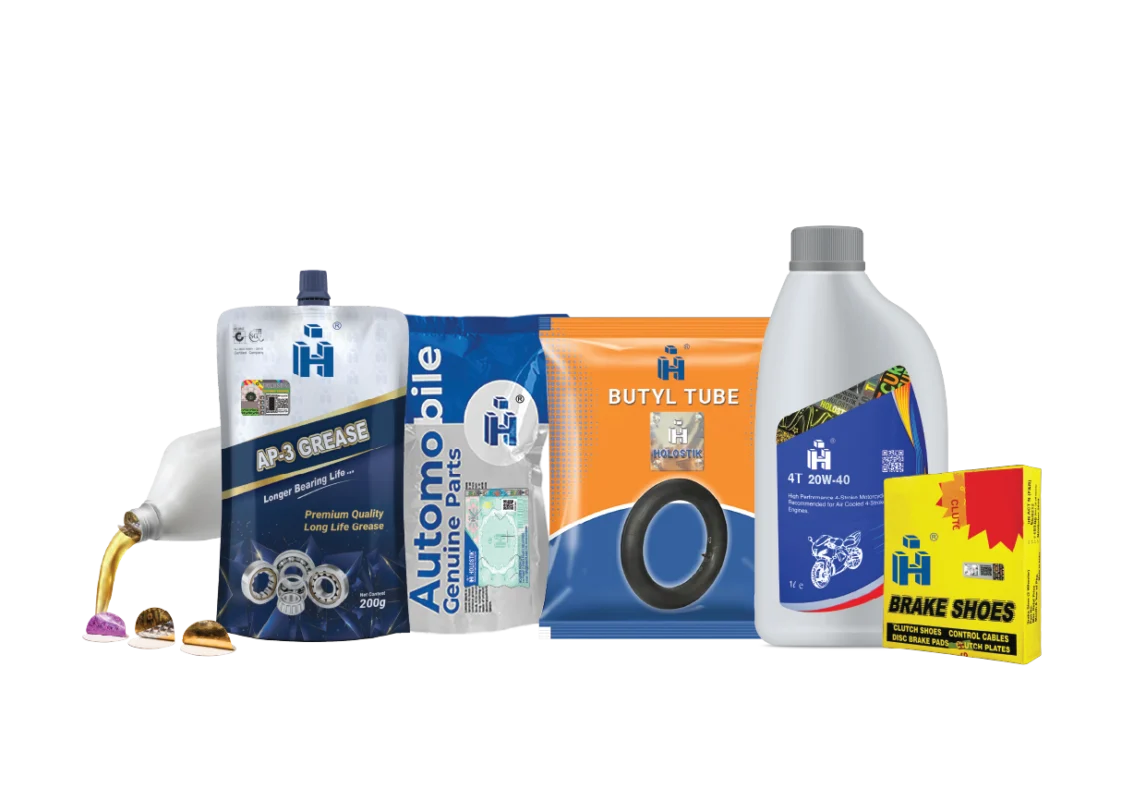
Key solutions include:
- Holograms with multi-layered security
- Security labels with destructible substrates
- Tamper-evident films and wad sealing
These features act as strong deterrents against counterfeiters, increasing replication costs and complexity.
Digital Security: The Future of Lubricant Packaging
While physical security prevents duplication, digital security enables verification, monitoring, and intelligence.
Digital Security Capabilities:
- QR-code based authentication for consumers and dealers
- Track and trace systems for supply chain transparency
- Inventory management to prevent diversion and overproduction
- Data analytics for identifying counterfeit hotspots
When combined with physical features, digital solutions create a phygital security ecosystem—a powerful model for automotive lubricant brands.
Choosing the Right Security Partner for Lubricant Packaging
An effective lubricant packaging strategy requires a partner who understands both packaging materials and anti-counterfeiting technologies.
Holostik offers end-to-end security solutions for the automotive lubricant industry, including:
- Security labels and holograms
- Security films for pouches and flexible packaging
- Tamper-evident solutions
- Digital track and trace systems
- Inventory and supply chain management platforms
By integrating physical and digital security, lubricant brands can safeguard products, protect consumers, and maintain long-term brand credibility.
Secure Packaging Is No Longer Optional
In today’s high-risk aftermarket environment, secure lubricant packaging is a necessity—not an option. From pouches and bottles to metal cans and bulk drums, every packaging format must incorporate anti-counterfeiting and traceability measures.
Brands that invest in secure, intelligent, and tamper-evident lubricant packaging not only fight counterfeiting but also build stronger trust with distributors, mechanics, and end consumers.